
Updated by Tara on October 17, 2025
Parenting is rough. Anyone who tells you otherwise is lying.
But raising your child bilingually? That’s a whole new level of what on earth am I doing here?!
When my family moved to Germany, my daughter effortlessly absorbed the language around her. I… well, let’s just say I’m still working on it.
The downside? I spent a lot of time trying to figure out if she’d just said something in English, German, or was that toddler-speak?
“What did you say, honey?”
“Was that English or German?”
“Can you show me what you mean?”
That was me, on repeat.
Sometimes funny, often bewildering, and occasionally overwhelming. If you’re navigating this too—wondering “how the heck do I do this?”—you’re in the right place.
Here are five unexpected challenges of raising bilingual children abroad, along with practical strategies, reassurance, and encouragement for the days it feels impossible.
1. The Bilingual Decision

For many mixed-heritage or expat families, choosing to raise bilingual children feels like the obvious choice.
You want them to connect with both sides of the family, to feel at home in multiple places, and maybe even to gain a little cognitive edge along the way.
Research suggests that bilingualism can support creativity, problem-solving, and adaptability. But newer studies show the real benefits depend less on the number of languages spoken and more on the quality and consistency of exposure.
For us, the decision was clear. Our children would grow up bilingual. That’s the main reason that we moved to Germany.
The tricky part? Only my husband was fluent in both languages. I wasn’t. Now, five years later, both children are well on their way to becoming bilingual, but the journey hasn’t been smooth.
What helps:
- Set clear language boundaries. The One Parent – One Language (OPOL) approach helps children distinguish which words belong to which language. It won’t prevent muddled sentences, but it gives them a strong foundation.
- Stay flexible. Life changes. Schools, friends, environments and your routines sometimes need to shift. Inconsistency and chaos sometimes won’t harm your child’s learning.
- Be kind to yourself. Bilingual parenting is not a contest; it’s a long-term commitment that takes patience and grace. Someone once wrote, “It’s easy to raise bilingual children, but hard to raise bilingual adults.” That truth has kept me grounded through the tough phases.
2. Keeping the “Other” Language Alive
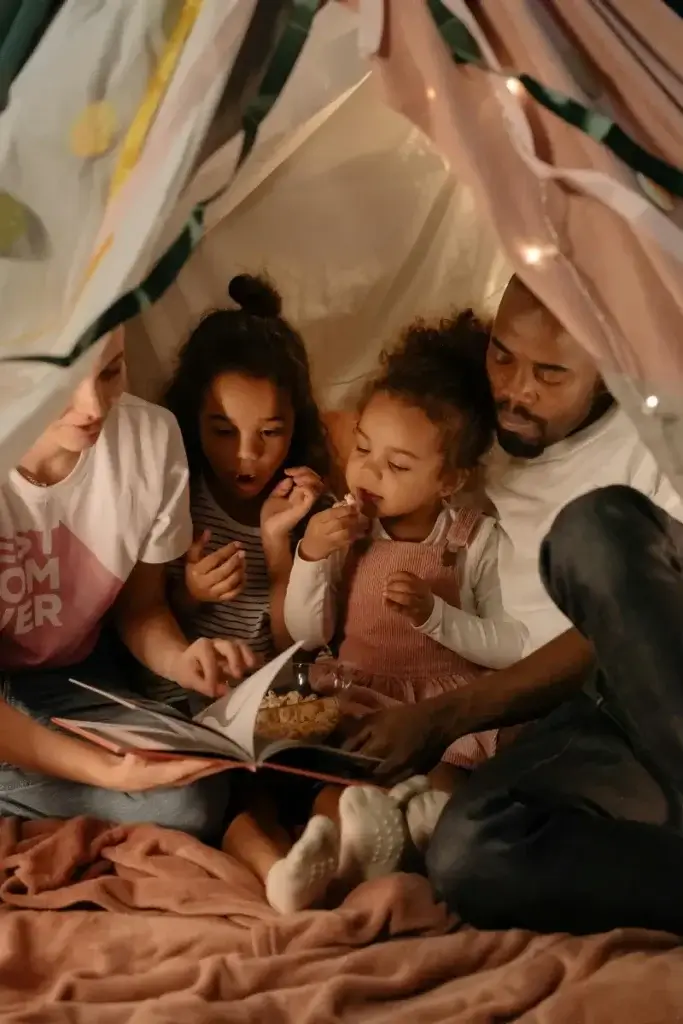
Once the decision is made, reality sets in.
How do you keep the “other” language from fading away? Let me know in the comments.
In most bilingual families, one language dominates daily life. For us, that’s German.
Children learn languages through immersion and repetition. When one language fills school, playdates, and social life, the other can easily fade without deliberate effort.
Linguist François Grosjean found that children need at least 30% of their overall language exposure in each language to maintain balance. That’s a tall order for parents, especially when you’re not the fluent one.
Over time, we started slipping into Denglish, a confusing blend of Deutsch and English. Now that we all understand both languages, the rules blur.
When my kids ask for their favourite German bedtime story, I hesitate. Do I say no and insist on English, or do I let it go? These tiny daily choices are the real heart of bilingual parenting.
What helps:
- Create a language-rich environment. Surround your child with stories, songs, TV shows, and audiobooks in the less-used language. Exposure counts.
- Use everyday routines. Our of our favourite rituals is two bedtime stories – one in English, one in German. Now that my eldest is learning to read, she practices both languages, one bedtime at a time.
How do you keep your “other” language alive at home? Share your ideas below to inspire other families (and me!).
3. Muddled Sentences (aka “Denglish” in Our House)
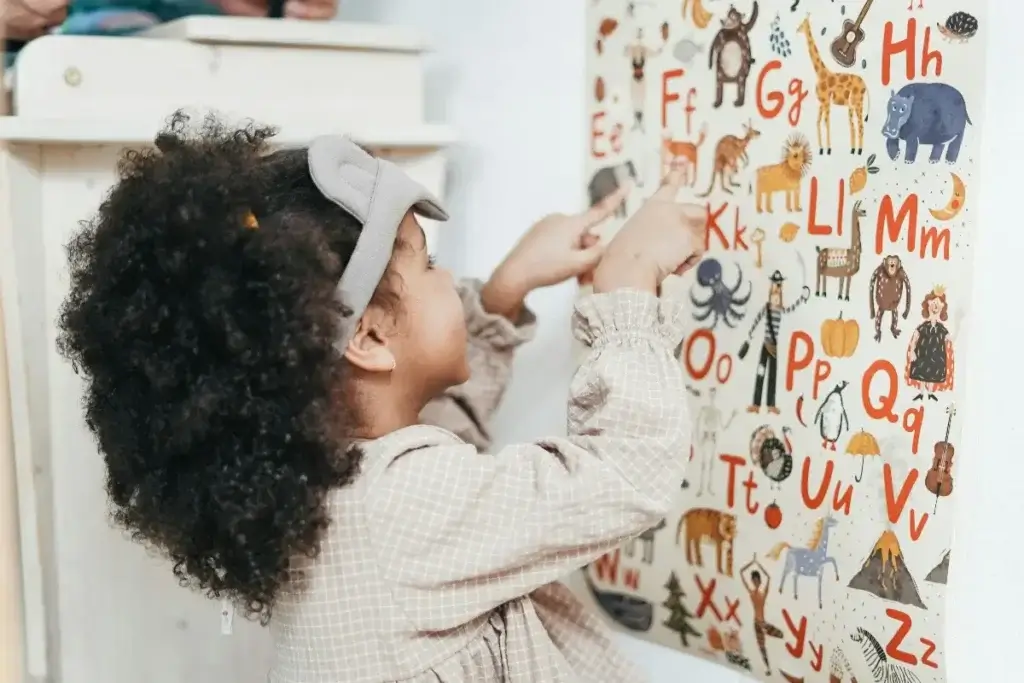
Even fluent adults mix up languages sometimes, so imagine how confusing it must be for little ones still learning to speak!
In our home, we joke that we’re fluent in Denglish. It’s cute, but constant code-switching (switching between languages) can make it tricky for kids to keep each language separate.
That said, research shows that this “mixing” is perfectly normal. It doesn’t mean your child is confused. It’s a sign of linguistic flexibility and is actually a strength.
Still, when both parents understand both languages, maintaining clean separation can be tiring. My brain often feels like it’s running in two operating systems at once.
We also naturally use German for certain words, like Kita (daycare), because that’s how life works here.
Sometimes I even forget the English term for something we use every day. It’s not failure—it’s fluency evolving.
What helps:
- Model, don’t correct. When your child mixes languages, simply repeat their sentence back in one language. Their brain will sort it out in time.
- Care for yourself. Switching languages constantly takes mental energy. Rest and self-compassion are part of good bilingual parenting.
- Keep humor close. We often laugh when “Mummy forgets how to talk.” Laughter keeps bilingual life lighthearted, even when it’s chaotic.
4. Feeling Alienated When You Don’t Understand Your Own Child
This one hurts the most. When your child starts speaking in a language you don’t fully understand, it can feel like you’re losing a piece of connection with them.
Between ages two and four, many bilingual kids switch languages mid-sentence. You might find yourself smiling politely, unsure what was just said, and feeling a pang of helplessness or frustration.
Psychologists note that these language gaps can make parents feel isolated or even inadequate. And that is no surprise if you’re riding this rollercoaster. It’s definitely not something you need on top of experiencing expat overwhelm or homesickness!
But here’s the good news: emotional connection matters more than perfect comprehension.
Sometimes my daughter would speak a full sentence in German, and I’d have no idea what she’d just said. So, I’d make it playful: “Can you show me what you mean?” or “Let’s act it out.” The moment we laughed together, our frustration faded.
When I was learning German, I even read her German picture books. It was painful and slow but she loved it. That connection mattered more than accuracy.
What helps:
- Lower your expectations. Misunderstandings are normal. Your child’s brain is building two systems for every word they learn. That’s extraordinary.
- Stay playful. Turn communication challenges into games. Play charades, make gestures, or drawing.
- Prioritize love over language. Whether you understand every word or not, your bond comes first.
Have you ever felt left out of your child’s bilingual world? How did you reconnect?
5. Bilingual Doesn’t Mean Bicultural
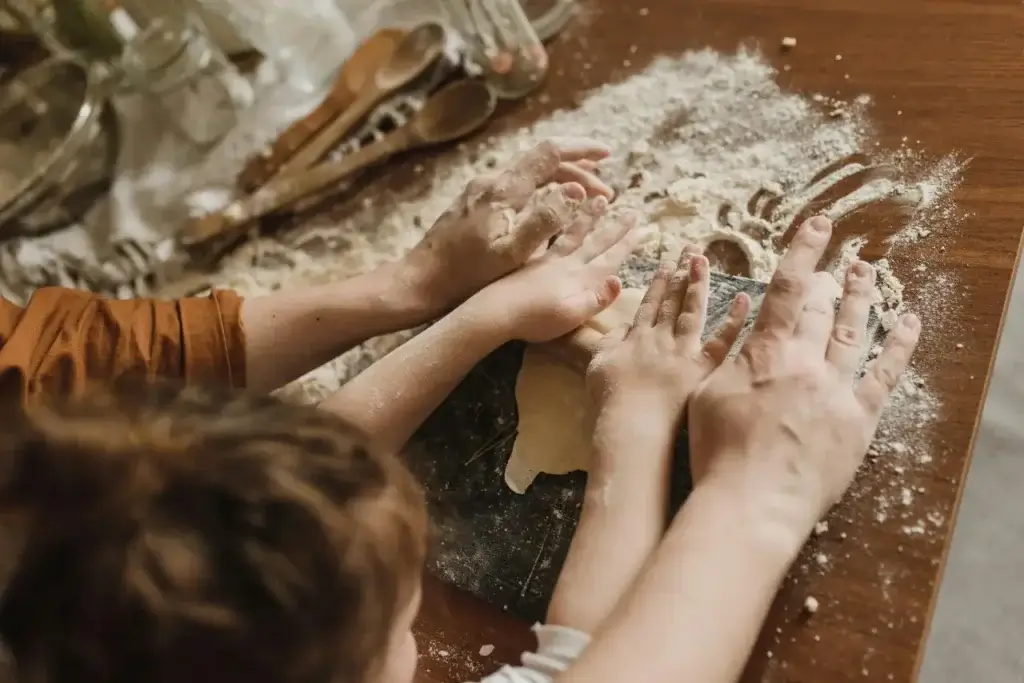
Language is one part of our identity, but it’s not the whole picture. Raising bilingual children doesn’t automatically make them bicultural.
Culture seeps in through humor, food, holidays, and the rhythm of community life. Without ongoing exposure, those layers can fade. It might even trigger feelings of homesickness in your child (if they remember their “other home”).
Cross-cultural studies show that children familiar with multiple cultures often develop strong empathy and adaptability, but they may also wrestle with belonging. Many become third-culture kids—at home everywhere, yet not fully from any one place.
For us, this plays out every Christmas. My children associate the holiday with snow, Advent markets, and traditions typical in Dresden. For me, Christmas means Summer, beach, seafood and being outside. It’s a fascinating bridge we build together every year.
What helps:
- Know your cultural non-negotiables. Decide which traditions, values, or stories you want to keep alive.
- Celebrate their hybrid identity. Your child doesn’t have to choose one side or the other. Their blended worldview is a strength worth celebrating.
So… Is It Worth It?
Absolutely.
Yes, it’s confusing. Yes, it’s exhausting. And yes, some days it feels like you’re failing in two languages instead of one.
But then you see your child tell their grandparents about school, in both languages or laugh at jokes in Sesame Street and Sesamstraße alike, and you realize the gift you’ve given them is immense.
Learning German while raising kids here has been one of the hardest, most humbling experiences of my life (and yes, I ugly cried a lot). But watching my children navigate two languages, two worlds, and two ways of seeing life? It’s pure magic.
Raising bilingual children is a marathon, not a sprint. You won’t always get it right, because life is hard.
If you win more than you fail, you’re doing great. Stay flexible, stay connected, and keep love at the center of it all.
Quick Recap: 5 Things That Help Raise Bilingual Kids
- Set clear language boundaries
- Keep the “other” language alive through exposure
- Laugh at the mix-ups
- Stay playful and patient
- Celebrate both cultures
Resources
- Grosjean, François. Bilingual: Life and Reality (Harvard University Press, 2010).
- Meisel, J. M. (2019). Early Bilingual Development: Cognitive and Linguistic Factors.
- Paradis, J., Genesee, F., & Crago, M. (2010). Dual Language Development and Disorders.
- APA. “Family Communication and Emotional Connection in Multilingual Homes.” 2022.
- Pollock, D. C., & Van Reken, R. E. (2009). Third Culture Kids: Growing Up Among Worlds.
💬 Let’s Keep the Conversation Going
Have you faced these bilingual parenting challenges too?
What’s worked (or hasn’t) in your family?
Share your story below—I’d love to hear from you.
And if you’re an expat parent trying to raise confident, multilingual kids abroad, join my weekly letters—a space for honest reflections, practical tips, and gentle encouragement when you need it most.