

Travelling with kids is one of the best investments you’ll ever make. Investing in their memories, development, and your family’s connection is priceless.
But let’s be honest: it can also be really expensive.
That’s why we always have a family travel budget, and I’m sharing my best family travel budget tips so you can create one that works for your next adventure.
A family travel budget isn’t about stopping your fun; it’s about freedom. Freedom to make the kind of memories with your kids that you’ve dreamed about.
No one wants that nagging voice demanding to know “Can we afford this?”. That’s why I’m sharing exactly how to create a realistic family travel budget you can stick to.
I’m sharing my own spreadsheet with you that I’ve used on all of our extended adventures to help you get started.
Why a Family Travel Budget Is More Than Numbers
I know, I know! Budgets are boring. Holidays should be fun, right?
But think of it this way. Your family travel budget is the key to unlocking the perfect family holiday. Free from stress.
Calm parents have calm children (especially on the road).
While travelling, worry about your finances can quickly ruin your ability to stay present with your kids.
My aim is for you to start considering the family travel budget as travel foundation. Like packing for the trip, you anticipate what you’ll need. Nappies, sunscreen, snacks. ✅
Why wouldn’t you want to anticipate your costs, too?
The 6 Key Categories to Include in Your Family Travel Budget
As a planning tool, your family travel budget needs to capture as many of the anticipated costs as possible.
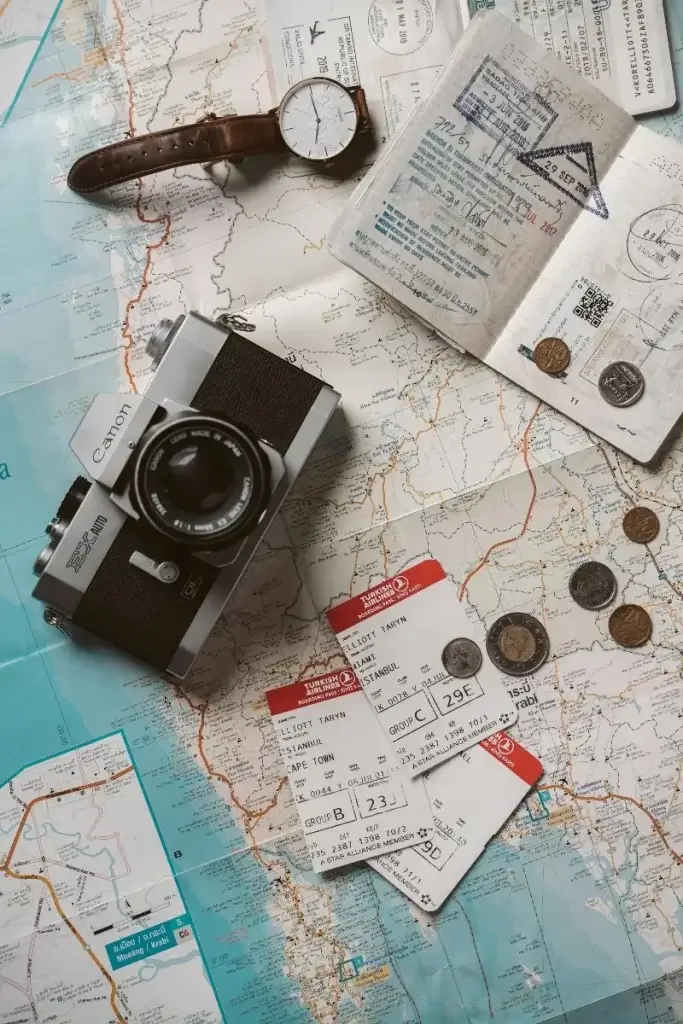
These can be broken down into the following six categories:
1. Transportation
Everything to do with getting around.
Are you flying to your selected destination? Or is this a road trip?
Here are a few transport costs to remember when putting together your budget:
- Flights
- Rental Car
- Fuel
- Tolls
- Car Insurance
- Parking
- Trains
- Buses
- Ferries
- Uber/ Grab (if travelling Asia)
2. Accommodation
This is likely to be one of your largest expenses (just like at home!).
There is money to be saved in this category, if you’re looking to cut costs.
Types of accommodation associated costs can include:
- Hotels
- Holiday rentals, Airbnb
- Hostels
- Camping fees (also if you’re Roadtripping in an RV or Campervan)
- Homestays
- Overnight transport options (trains, buses or ferries)
- Taxes and charges on arrival (location-specific)
- Add-ons like additional beds or cots in your room, breakfast, transfers

3. Travel Insurance & Health
This is one of the most important categories of spending.
Everyone starts their holiday imagining how wonderful it will be.
But like I tell my daughter every time she says, “Don’t worry Mama, I won’t fall”, no one thinks they’re going to have an accident.
Please don’t travel until you have all of the following:
- Travel insurance for all family members.
- Up-to-date vaccinations plus those recommended for your dream destinations.
- A full-to-the-brim first-aid kit and family pharmacy.
Do your research.
No trip is worth risking the health of your family.
- Know what the medical infrastructure is like at your dream destination.
- Talk to your doctor of consult with a travel medical professional about travel vaccines and recommended first-aid kit items.
- Understand your travel insurance and what you’re covered for.
4. Food & Drink
Eating while travelling is both a necessity and an absolute joy.
There’s nothing quite like discovering the new flavours, smells and methods of cooking abroad.
Like Accommodation, this is a category offering the opportunity to cut costs if you’re willing to go beyond restaurant dining.
Consider the following when you’re planning your family travel budget:
- How much food/ drink is included in our accommodation?
- Do we prefer to eat out at restaurants or prepare our own meals?
- Are we interested in eating food from home while we travel or in local restaurants?
For my family, the ability to prepare meals at home was always a priority. Although we love eating local food, eating at a restaurant with two tiny humans just wasn’t something we could manage.
Your child’s age makes a big difference here, too.
Toddlers often need frequent snacks and familiar foods, which can increase grocery costs. Older kids may be more adventurous eaters, but also more expensive if they eat adult-sized meals at restaurants.
5. Activities & Experiences
This is the category that we most dream about when planning our family adventure.
All of the wonderful sites, adventures and fun stuff to do.
- Research the top attractions at your dream location and get an idea of the average entry price.
- Think about entry to museums, galleries, historical locations and other cultural attractions and the cost of tours or day trips.
- Consider your child’s age and stage of development when planning activities. A high-cost attraction might not hold a toddler’s attention, while a 10-year-old may get more out of it.
Building your family travel budget with age in mind helps you avoid spending money on activities your kids won’t actually enjoy.

6. Travel Costs
Travelling comes with unavoidable costs. I think of these as the cost of travelling: without them I’m just staying at home!
These can include:
- Passport fees
- Visa application and issuing fees
- Departure fees
- Arrival taxes
- Bank fees for international transactions or withdrawals.
Do you research about these so that you’ve got your eye across all of potential outgoings.
7. Extras & Contingencies
Part of the excitement of travel is the surprises it brings! Unfortunately, these can also be financially draining.
Emergencies, the cost of replacing lost items, souvenirs, laundry services, last last-minute changes of plan – these can all happen without warning.
Be sure to keep 10–15% of your total family travel budget aside as your peace-of-mind fund. This is what you’ll dip into when travel throws you a curveball or when you decide to say yes to an unexpected opportunity.
During our visit to Cambodia, we booked a guesthouse online that looked perfect! But after the first night, we agreed that something just felt off about the place. We didn’t feel safe there.
Our decision to move meant paying twice for four nights of accommodation. It wasn’t ideal, but because we had a contingency fund, we could prioritise our family’s safety without spiralling into financial stress.
That peace of mind was worth every cent.
Budgeting for Wellbeing
When we think about family budgeting, we tend only to think about the numbers.
But what about our feelings?
Your family travel budget needs to cover all anticipated expenses to meet the needs of your family while you’re on the road, but it also needs to meet their emotional needs.
Think about the cost of:
- Comfort snacks for homesick kids while travelling.
- Downtime activities for when everyone needs a break.
- Small surprises to lift spirits during adjustment periods.
These small actions can be the difference between a good day or a meltdown day.
And on those days, the last thing you want is to be stressed about money.
The types of wellbeing extras you’ll want to budget for will also develop as your kids get older.
Younger children may need transitional objects or small toys, while tweens and teens might benefit from budgeting for a bit of independence, like letting them choose a souvenir or an activity.

Common Pitfalls That Break a Family Travel Budget
When we plan only for the fun times, we leave ourselves open to financial disasters.
Here are a few of the mistakes I’ve made over the years that blew our budget apart.
- Not factoring in the costs of new passports, photos and the trip to Berlin to lodge the paperwork.
- Underestimating the cost of airport transfers or local transport at our destination.
- Forgetting luggage fees or departure taxes.
- Not accounting for exchange rate shifts and bank charges for international transactions.
These mistakes are exactly why knowing how to budget for family holidays before you leave is so important.
Tips to Save Without Cutting Joy
The trick to creating a useful family travel budget that you will actually stick to is to balance spending with saving.
Here are a few tips about how I cut costs to maximise our family adventure, without sacrificing those precious moments of connection together.
- Travel in the shoulder or off season to save on flights and accommodation. The other win with this strategy? Less crowds, meaning more freedom for your kids to explore without the constant fear of getting lost.
- Eat like the locals. Shop at the local fresh produce markets, enjoy picnic lunches in parks and combine eating out at cafes and restaurants with self-catering.
- Choose accommodation carefully. Sure, it might come with a buffet breakfast, but would you save more if you bought local bread and fruits at the market and stayed at a cheaper accommodation?
- Consider the age and stage of your child’s development. Are they going to enjoy that museum that has a high entry fee? Or would they enjoy some of the local activities, like visiting the local park to see ducks or playing on the beach? Research local festivals and events, many of which are free of charge and offer you a unique view into the lives of locals.
Your Free Family Travel Budget Spreadsheet
I’ve taken the guesswork out of creating your budget with a simple, customisable family travel budget template you can download for free.
- Pre-filled with key categories so you don’t forget anything.
- Adjustable for trip length, number of travellers, and currency.
- Includes a “well-being” section so you budget for your child’s emotional comfort, too.
Download the free spreadsheet.
It’s free when you join my email community.
Example Budgets
If you’ve ever wondered how much to budget for a family holiday, here are two real-world examples.
Example 1
One-Week Domestic Trip
(Family of 4)
Total €1,850
| Category | Item | Cost Estimate (€) |
| Transportation | Train tickets (return) | 300 |
| Local transport (bus/taxi) | 80 | |
| Accommodation | 7 nights mid-range apartment (€100/night) | 700 |
| Food & Drink | Groceries + self-catering | 250 |
| Eating out (3 dinners, snacks, ice cream) | 150 | |
| Activities & Experiences | Museum visits, bike rentals, amusement park | 200 |
| Travel Insurance & Health | Top-up coverage + basic supplies | 70 |
| Extras & Contingency (10%) | Souvenirs, laundry, emergency taxis | 100 |
| Wellbeing | Comfort snacks, activity packs for kids | 50 |
| TOTAL | €1,850 |
A domestic trip can feel like a real adventure without huge costs, especially when you mix self-catering with a few special treats.
Example 2
Four-Week Southeast Asia Adventure (Family of 4)
Total €5,600
| Category | Item | Cost Estimate (€) |
| Transportation | International flights (Europe ↔ Bangkok) | 2,400 (approx €600 per person) |
| Regional flights (2 hops) | 400 | |
| Local transport (tuk-tuks, ferries, buses) | 300 | |
| Accommodation | 28 nights mid-range hotels/guesthouses (€50–60 per night) | 1,500 |
| Food & Drink | Local meals, occasional Western splurge, snacks | 1,000 |
| Activities & Experiences | Temples, guided tours, family attractions | 600 |
| Travel Insurance & Health | Comprehensive international coverage | 200 |
| Extras & Contingency (15%) | Souvenirs, emergency doctor visit, missed connection, rainy-day activities | 800 |
| Wellbeing | Familiar snacks, comfort items, downtime treats | 100 |
| TOTAL | €5,600 |
Extended adventures abroad are surprisingly achievable. Careful planning (and a realistic budget buffer) makes a month of travel with kids feel less intimidating and more freeing.
Time to Get Budgeting
Creating a family travel budget and actually sticking to it is the secret to stress-free travel.
With the right planning, budgeting for a family vacation with kids can feel empowering, not restrictive.
When you’ve already anticipated your costs, you don’t have to second-guess yourself in the moment. You can say yes to the ice cream on the beach, or no to the overpriced tour, with full confidence that your choices are aligned with what really matters: building memories with your kids.
As a working mother, I know how important it is to balance financial responsibility with emotional well-being. A clear budget means less stress for you, more stability for your kids, and the freedom to be present together wherever you are in the world.
That’s why I created a Family Travel Budget Spreadsheet — the exact tool I use when planning adventures with my own children. It’s practical, customizable, and even includes a section for the “wellbeing extras” that make all the difference on the road.
? Download your free Family Travel Budget Spreadsheet here and start planning your next adventure today. Because the best trips aren’t just affordable — they’re calm, connected, and unforgettable.
Have you experienced a holiday horror that drained your finances? Share it below!
Family Travel Budget FAQs
How much should I budget for a family holiday?
A good starting point is €100–€150 per day for a family of four in Europe if you mix eating in with eating out and choose mid-range accommodation.
In Southeast Asia, you can often spend less — around €60–€100 per day. Your budget should reflect your travel style, destination, and your children’s needs.
What percentage of my family travel budget should be for contingencies?
Plan to set aside 10–15% of your total budget as a “peace-of-mind fund.” This covers unexpected costs like last-minute taxis, medical visits, or opportunities you don’t want to miss.
How do I keep my family travel budget realistic?
Base it on actual research, not guesses. Look up accommodation costs for your dates, research average meal prices, and check entry fees for attractions. Then add a buffer so you’re not caught off guard.
Do I need travel insurance for kids?
Yes! Always. Even if you’re travelling somewhere “safe,” kids get sick and accidents happen. It makes both financial and emotional sense to be fully insured, in case of hospital visits, prescriptions or even travel interruptions.
What’s the biggest mistake families make when budgeting for travel?
The most common pitfalls are:
– Forgetting “hidden” costs like luggage fees, airport transfers, and bank charges.
– Not including a buffer for emotional well-being (think comfort snacks for your fussy toddler or downtime activities for your overstimulated school-aged child).
– Planning for the perfect trip without considering their kids’ actual age and stage needs.
Leave a Reply