

When families prepare for an international move, most of the energy goes into logistics.
Visas.
Schools.
Housing.
Shipping.
What most families underestimate when moving abroad with kids is often how important it is to prepare our children emotionally for an international move.

Unfortunately, this is often the part of the relocation that dictates how the first weeks and months after the move go for the entire family.
It’s natural to want your children to feel excited. Adventurous. Positive.
But emotional preparation isn’t about building hype. It’s about building safety, realistic expectations and setting some very real boundaries.
This post aims to give you a functional framework to prepare first yourself and then your child for the international move.
1. Start With Honest, Age-Appropriate Conversations
Children don’t need every administrative detail, but they do need clarity about what to expect.
Tell them:
- Where you’re going
- When it’s happening
- What will change
- What they don’t yet know

Avoid overselling the move as “the best adventure ever”. When we overemphasise the positives, children can feel confused or guilty if they don’t feel excited.
We also need to be honest with them about the negatives we can expect. Remember, homesickness, language barriers, cultural confusion and the adjustment to a new home are all foreseeable outcomes of an international move.
Instead, try:
“This is a big change. Some parts might feel exciting. Some parts might feel hard. We’ll figure it out together.”
That statement recognises the good and the bad, while also building trust that you’ll be there for all of it.
2. Name What Will Stay the Same
In the face of change, children look for anchors.
What will stay the same?
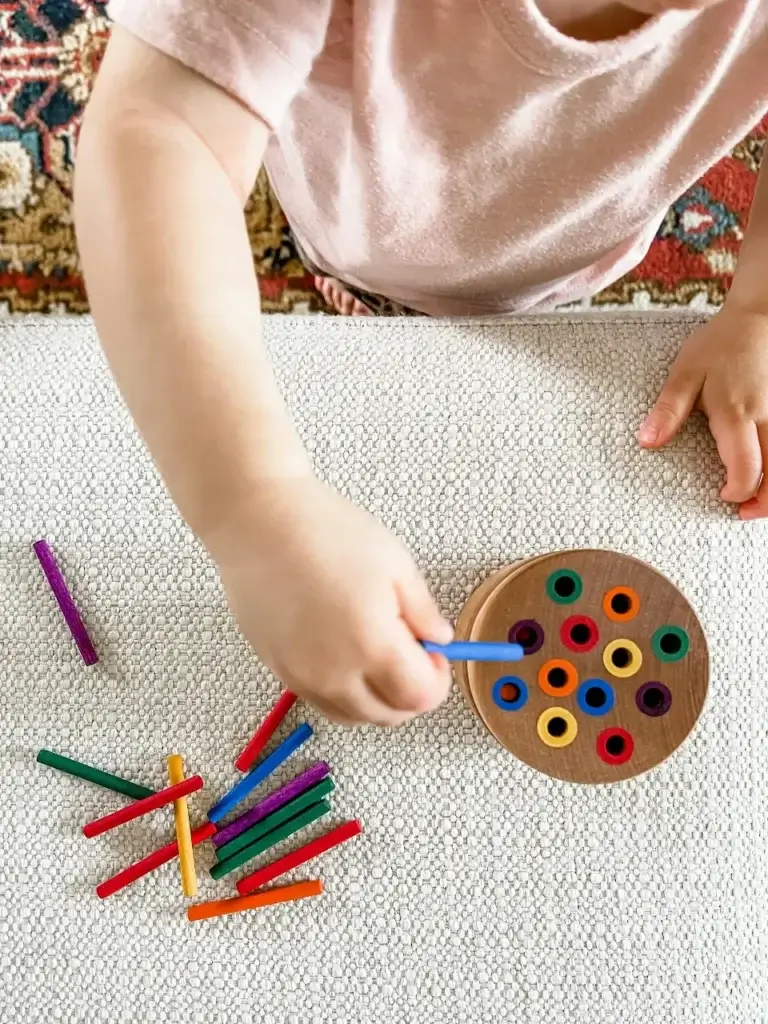
We can help our children prepare for this massive change by giving them a strong foundation to stand on.
Let them know what will be the same in their new home.
Siblings will come, their favourite toys will be with them, and they will still be able to have their favourite food or play their favourite sport.
It’s important to assure your child that they will still be them and that you will still be you.
“You’ll still be you. You’ll still love [favourite sport]. I’ll still nag at you to brush your teeth. Our family won’t change.”
The more sameness you can highlight for your child, the less scary the planned changes might sound.
Think of the “sameness” as their foundation. Each one thickens the floor beneath them, ready to withstand the upcoming changes in their new home.
3. Expect Emotional Reactions to Show Up Later
It’s a common story: during the move, the children thrive,d but then, suddenly, after 6 or 8 weeks, something changed.
This is often one of the most misunderstood parts of moving abroad with kids.
Many children cope well during the planning, packing and arrival. There’s adrenaline from the adventure.
Your new home is novel and there are hundreds of distractions to keep them busy.
But later, as you settle into your new normal, your child’s emotions come to the surface. It can look different for every child, but you might notice:
- Regression.
- Clinginess.
- Tantrums.
- Withdrawal.

This is a sign that your child’s feelings have “caught up”. The novelty has worn off and the distractions are gone.
Now is the time that homesickness may show its face, along with other emotional challenges.
I wish I’d known this during my first month in Germany.
If this happens, it doesn’t mean the move was a mistake. It means their system is catching up and they need you now.
4. Involve Them But Gently
Children need agency in their lives, even in major transitions that seem to be “grown-up decisions”.
The important part here is what they have agency over.
Let them:
- Choose a few items to pack in their “arrival bag”
- Help plan how their new room might look
- Research playgrounds or activities in their new home.
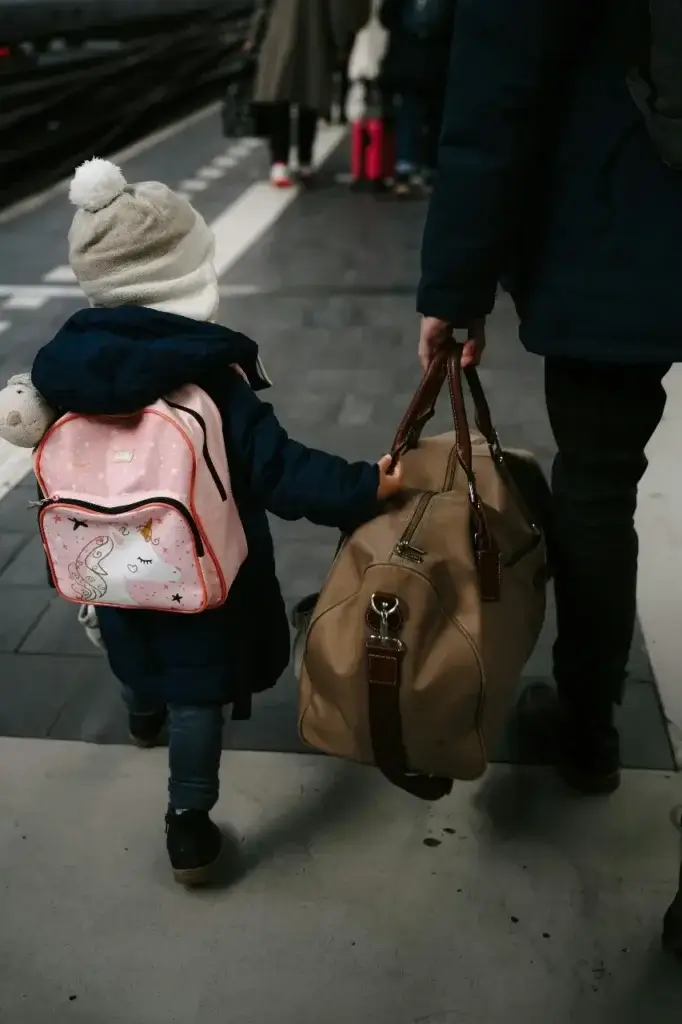
But avoid placing emotional responsibility on them.
Your child should never feel responsible for making the move “work”.
Their job is to remain children, following your lead as their parent.
Your job is to pave the way and build a strong foundation for your family to stand on in your new home.
5. Create Emotional Anchors Before You Leave
Goodbyes matter. For everyone.
Whenever possible:
- Visit favourite places intentionally.
- Take photos.
- Create memory books from important places to take with you.
- Allow space for sadness, regret and worry.

Transitional objects help, too. Consider prioritising the packing of:
- Familiar blanket or cuddle toy.
- A favourite mug.
- The loved bedtime books.
Children don’t need everything in their new home. They need a few things that say: home still exists inside this change.
6. Regulate Yourself First

This one is often the hardest.
Children look to their primary caregiver to manage their big feelings. They listen to the tone of your voice, your posture, and your breathing.
Without realising it, they’re calm when you’re calm and losing it when they sense you’re not coping.
Fair? Not really, especially when you have so much already on the go.
You don’t need to be perfectly calm all of the time, but if you are chronically overwhelmed and stressed, they will feel it.
And you will, too.
Preparing your children emotionally for relocation starts with protecting your own capacity. Capacity to manage stress, roll with the punches and to be needed.
Because you will be needed.
That might mean:
- Reducing commitments before the move.
- Seeking support early, at home and in your new home, because building an expat support network matters.
- Allowing yourself to experience all of your feelings, even the mixed ones.
You are allowed to feel grief and hope at the same time.
7. What Emotional Preparation Is NOT
Preparing yourself and your children for this emotional transition is not:
- Ignoring sadness, grief or mixed feelings.
- Convincing your child that life in your new home will be “better”.
- Preventing every challenge or difficulty your child may experience through this transition.
An international move is disruptive and many challenges that it brings can be planned for.
Emotional Preparation means that this transition doesn’t need to feel frightening, isolating or too big to handle.
You Can’t Remove All Stress, But You Can Soften It
Relocating internationally with your kids will stretch you all in ways you couldn’t have imagined.
Life in your new home probably won’t be perfect, but it likely won’t be the worst decision you’ve ever made, either.
Your child will move through this transition and adapt more easily when they feel:
- informed
- included
- emotionally validated
- and anchored to you
And if you’re reading this, wondering whether you’re doing enough, the fact that you’re thinking about their emotional well-being already says a great deal about the kind of parent you are.
You don’t have to get this perfect.
Good enough is good enough.
Moving abroad with kids and feeling stuck? Download my FREE Expat Starter Kit to get you on the right track.
Leave a Reply