
Have you ever wondered if your child is the “right” age to travel? Maybe you’re staring at flight deals or dreaming of an overseas adventure, but that little voice in your head says:
“Maybe we should wait until they’re older… or younger… or easier.”
You’re not alone.
As a well-travelled Mama, I know this feeling of uncertainty well. The worry about if it’s the “right time” or the “right age” or the “right thing” to do.
And while there’s no one-size-fits-all answer, here’s the truth:
There’s no perfect age to travel with kids.
Each stage brings its own special joys and challenges.
Whether your baby still naps twice a day or your tween is negotiating screen time, travel can be joyful, meaningful, and even easier than you think, with the right support and planning.
Let’s explore what it looks like to travel with kids at every age—and how to meet their emotional and developmental needs along the way.
Why Parents Ask This Question
The fear parents feel of being on the road and unprepared is real.
Facing the unknown with kids in an unknown environment really is too much for some parents. And that’s ok!
But for others, it’s a challenge they’re ready to meet on the road (but of course, they’ve planned and prepared for it, first!)
Questions like these still run through my mind before leaving on a trip, even after travelling 20 countries with my kids:
- Will my kids melt down on the plane?
- Will we stick to our routines while travelling?
- Will I even get a break and time to enjoy the trip?
Add in the pressure of doing “what’s best” for your child, and it’s easy to feel paralysed.
But here’s the thing:
Travelling with kids isn’t about being the perfect parent.
And those families sharing their perfect travel tales on Instagram? Nope. You have no idea what chaos went on behind the scenes to tget that perfect shot.
Travelling as a family is about connection, discovery, and growth for everyone, at every age.
Here’s why travel is the best gift you can give your kids.
So, What’s the Best Age to Travel with Kids?
Truthfully? The best age is the one they are right now—as long as you’re willing to meet them where they’re at.
I’ve travelled with my kids since they were teeny-tiny newborns. Although I have favourite stages to travek with, there so best age to travel.
Each stage brings it’s own magic (and yes, challenges!) to your trip.
The trick isn’t waiting for the perfect age, but crafting the perfect “when things go all wrong” plan to get you through it.
Let’s look at each age group, including what they need at this age and stage of development, to help you start planning a trip that works for your family.
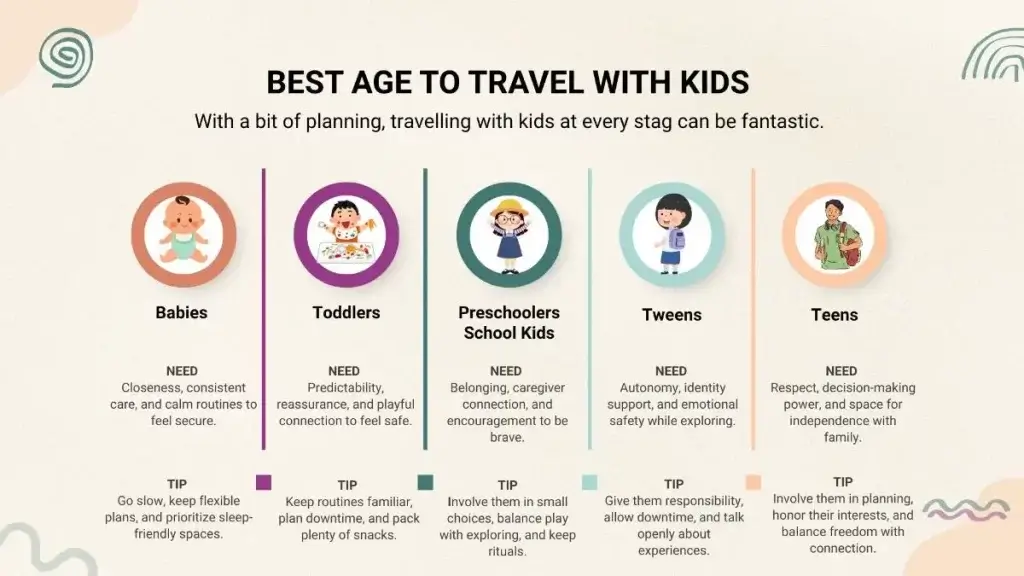
Babies (0–2 Years)
In these early years, your baby needs you.

What you baby needs from you:
- Physical closeness for the development of a secure attachment with your.
- The right nutrition (breast milk, bottle milk or already on solids?).
- Consistently having their emotional and physical needs met.
| Pros of Travelling with Babies | Challenges of Travelling with Babies |
| Easy to carry (hello, baby carrier!). | Managing nap schedules. |
| Often sleep through flights, long drives and on the go. | Managing diaper changes and carrying the baby bag around with you. |
| Don’t need much entertainment. | Feeding logistics. Breastfeeding a fussy baby or managing formula on the go might be an unwelcome challenge. |
| Aren’t yet fully mobile. | Your energy levels are likely low from interrupted sleep. |
Tips for travelling with Babies:
- Keep your expectations realistic. Go slow and stay flexible.
- Prioritise accommodation and activities that keep you relaxed and calm.
- Research health facilities in your chosen destination and never leave without your mini-family pharmacy.
Key Takeaway
Your baby needs you.
If you’re calm, then baby is calm, no matter where in the world you are.
Toddlers (2–4 Years)
Toddlers bring both joy and chaos on the road. One moment, they’ll marvel at a butterfly for 10 minutes, the next, they’ll melt down because you ordered the wrong ice cream (true story!).
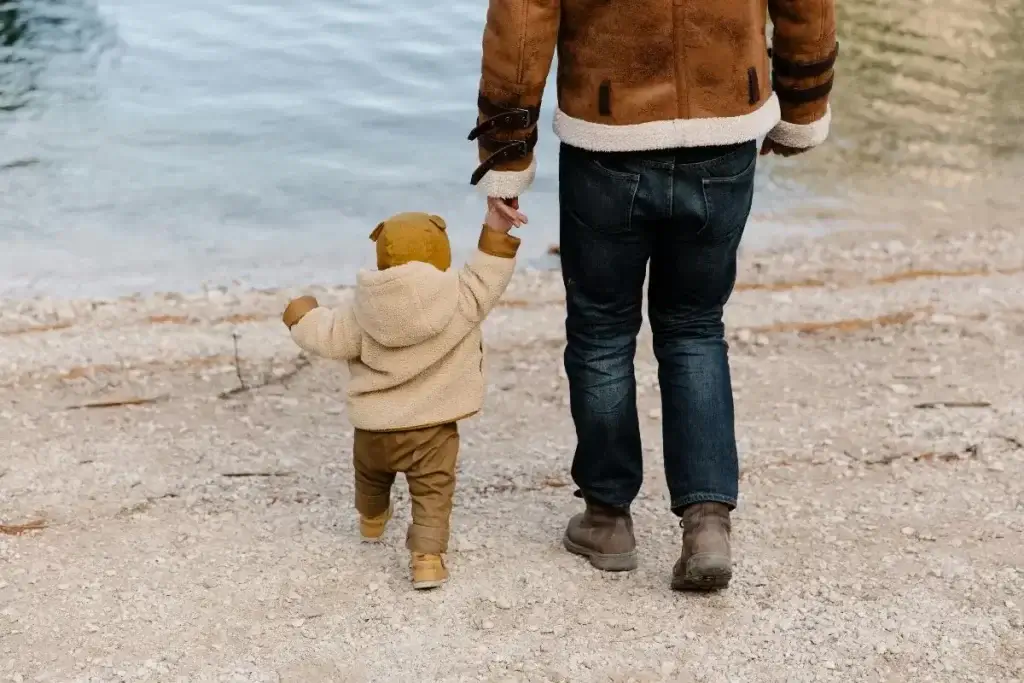
What your toddler needs from you:
- Predictability through familiar routines and rules.
- Extra reassurance in new places (physical closeness, consistency).
- Connection through play.
| Pros of travelling with toddlers | Challenges of travelling with toddlers |
| Full of wonder and excitement about everything. | Big emotions, often at inconvenient times. |
| Often travel free on public transport. | Need naps and snacks at regular intervals. |
| Love simple adventures like beaches and forests. | Struggle with transitions, especially on busy travel days. |
Tips for travelling with toddlers:
- Prep them with books and photos about your destination before you go.
- Add play stops every day: playgrounds, open fields, beach time.
- Carry quick fixes: snacks, bubbles, balloons and band-aids.
Travelling with toddlers requires a bit more planning, patience and adaptation from you.
For me, travelling with a toddler was a delight when we were in the wilderness and tricky in cities.
Beaches, forests and fields gave us endless opportunities for play while also indulging our love of hiking and camping. But cities? Less playgrounds and more museums and galleries which, were not toddler-focused.
You know your toddler, your energy and the needs of your family the best.
Key Takeaway
Toddlers thrive on predictability.
Keep days simple and flexible to make travel smoother.
Preschoolers & School Kids (5–7 Years)
Preschool and early school years are wonderful for family travel. Kids at this age are eager to explore, still love being with you, and will remember parts of the adventure for years to come.
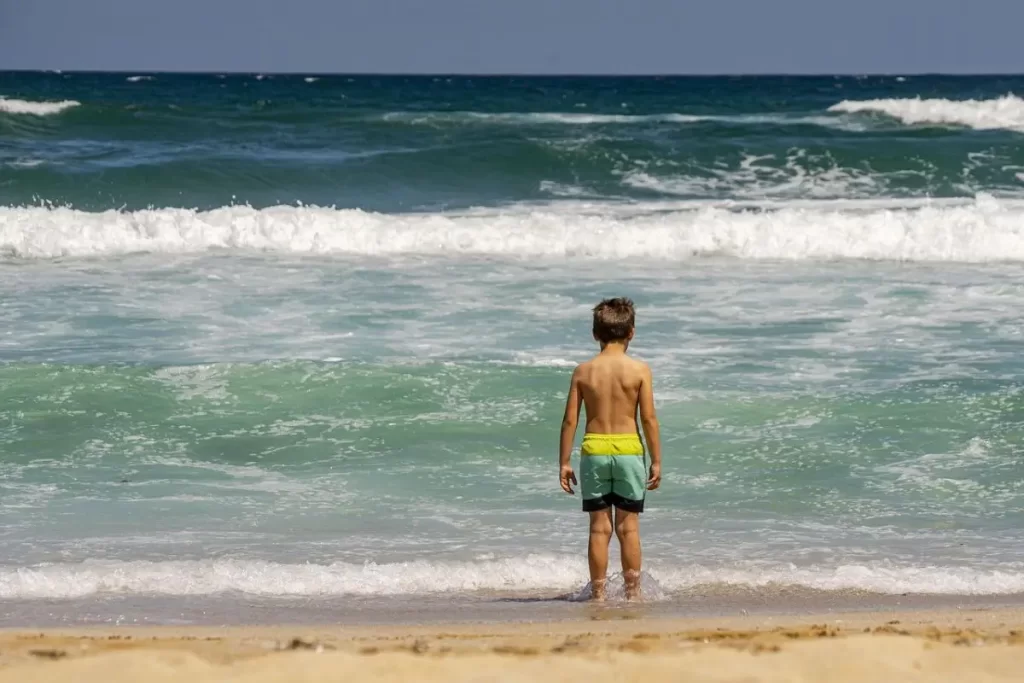
What your preschooler or school kid needs from you:
- A sense of belonging (involve them in small planning decisions).
- Extra connection with caregivers, especially at the end of busy days.
- Permission to be brave and try new things.
| Pros of travelling with toddlers | Challenges of travelling with toddlers |
| Full of wonder and excitement about everything. | Big emotions, often at inconvenient times. |
| Often travel free on public transport. | Need naps and snacks at regular intervals. |
| Love simple adventures like beaches and forests. | Struggle with transitions, especially on busy travel days. |
Tips for travelling with preschoolers and school kids:
- Offer choices (e.g., “zoo or science museum?”) so they feel part of the team
- Keep a simple travel journal together for memories and bonding
- Create small daily rituals (a photo, snack break, or bedtime story) for predictability
Key Takeaway
Preschoolers love being included.
Give them small responsibilities and keep days balanced between exploring and downtime.
Tweens (8–12 Years)
Tweens are curious, capable, and starting to test their independence. Travel at this age can be especially rewarding as they’re old enough to engage deeply but still excited to be with you.

What your tween needs from you:
- Autonomy. Small chances to make decisions and show responsibility.
- Support for their growing sense of identity.
- Emotional safety while exploring unfamiliar environments.
| Pros of travelling with Tweens | Challenges of travelling with Tweens |
| Engaged, curious, and independent. | Strong opinions that can clash with plans. |
| Can carry their own bag and follow directions (when they want to). | Increasing focus on peers can bring homesickness. |
| Great age for cultural learning and adventure. | Still need downtime to avoid overwhelm. |
Tips for travelling with tweens:
- Let them plan or lead a day’s activity.
- Set boundaries around devices but allow downtime.
- Talk openly about what you’re experiencing together.
Key Takeaway
Tweens thrive when they feel trusted.
Give them responsibility and space, while staying emotionally connected.
Teens (13–18 Years)
Teen travel looks different, but it can be life-changing. They’re forming identities, craving independence, and beginning to see the world through adult eyes, making travel at this stage powerful.

What your teen needs from you:
- Respect for their autonomy and opinions.
- A real voice in decision-making (not just token input).
- Space for privacy and downtime.
- Meaningful connection with you. They don’t want to just “tag along” and you don’t want to miss out on what might be your last family holiday together.
| Pros of travelling with Teens | Challenges of travelling with Teens |
| Independent travellers who can carry their own weight (literally and figuratively). | Peer relationships are central at this age, so they may be reluctant to travel. |
| Capable of engaging with culture, history, and global issues at a deeper level. | Desire for independence can clash with family plans. |
| Travel memories at this stage often last a lifetime. | Mood swings, like toddler meltdowns, can impact the entire family. |
Tips for travelling with teens:
- Involve them in choosing destinations and activities
- Build in solo time (sleep-ins, journaling, exploring independently)
- Link their interests (music, sports, art, food) to the destination
Key Takeaway
Teens value respect and independence.
Involve them in meaningful ways and you’ll create memories that shape them for life.
In case your little one gets homesick while travelling, check out my tips to help.
Factors Beyond Age
Sometimes it’s less about how old they are and more about:
- Your child’s temperament
- Your family’s travel experience
- Your goals for the trip
- The type and pace of travel
A three-week whirlwind through three countries might be amazing with a 10-year-old… and a nightmare with a toddler.
A beach house with a playpen? Heaven at 9 months.
Take these various factors into consideration when planning your dream travel with kids.
And don’t forget: consider what you need. As the rock your child needs no matter where in the world you are, you need to look after yourself, too.
So, what is the Best Age to Travel With Kids?
If you’re wondering when the best time to travel is, then maybe it’s now?
Travel is a powerful teacher. For your child, for you and for your family.
Yes, there will be meltdowns when they’re little. Your tween might grumble or your teen may prefer to be with friends.
But there will also be giggles in new languages, shared wonder at unthinkably old and beautiful sites, and memories you’ll always remember.
With teens, especially, travel can be transformative. These are the years when they’re forming a sense of identity, learning how they fit into the world, and preparing for independence.
Experiencing other cultures, navigating differences, and discovering resilience on the road plants seeds of empathy and confidence that no classroom alone can teach.
So, instead of waiting for the “perfect” age to travel, start planning the perfect trip for your family right now.
Not sure where to start supporting your little one’s big feelings on the road?
Grab my FREE Emotional First Aid Kid for Travelling Kids.
What age and stage did you enjoy travelling with the best?
FAQs About the Best Age to Travel With Kids
Babies are often easier in terms of logistics — they sleep on the go, are portable, and don’t need much entertainment. Toddlers, however, bring excitement and curiosity but also big emotions and a need for routine. What’s better? That depends on your preferences and planning.
Most children form lasting memories from around ages 3 – 4. That said, travel with younger kids is still valuable. They may not remember the details, but they benefit emotionally from their shared experiences with you, and you’ll treasure the memories forever.
Not necessarily. Every age has advantages. Younger kids often mean more flexibility and lower costs, while older kids and teens can engage more deeply with culture and history. The best time is when it feels right for your family.
Keep small routines from home, like bedtime stories or favourite snacks. Allow video calls with loved ones, and give kids space to share their feelings. A balance of connection and reassurance goes a long way.
Filling the days up! When days are too full, kids can get overtired and parents stressed. Build in downtime, balance activities for kids and adults, and stay flexible.