
Packing for an International Move Is More Than Logistics
You’ve made the big decision to move abroad. Now that the decisions have been made and the visas underway, you’re wondering, “But what do I pack?!”

Ready for a stress-free Relocation?
For many families, packing feels like the final hurdle.
Suddenly, you’re standing surrounded by things that made your home, well, home, trying to decide what comes with you.
I remember standing and staring, paralysed by decision and the emotional weight of every item in front of me.
It’s not like packing for a holiday. It‘s not even similar to moving house locally.
Packing for life abroad isn’t just about moving your belongings from one place to another. It makes you consider:
- What will help my children feel safe in unfamiliar surroundings?
- What routines can we carry with us?
- What will I wish I’d kept when everything feels new?
As a relocation coach supporting professional mothers through international transitions, I’ve experienced the challenge of each and everyone of these decisions, and have spoken to plenty of parents wondering “where do I even start?”.
Packing is where practical preparation and emotional readiness meet. When it’s rushed or underestimated, you might be left feeling overwhelmed and confused.
This guide isn’t about packing everything. It’s about packing what matters most so your family can land more steadily in your new life abroad.
If you’re moving to Germany, you might find my The Ultimate Packing Guide For Families Moving To Germany helpful.
Why Thoughtful Packing Makes a Real Difference
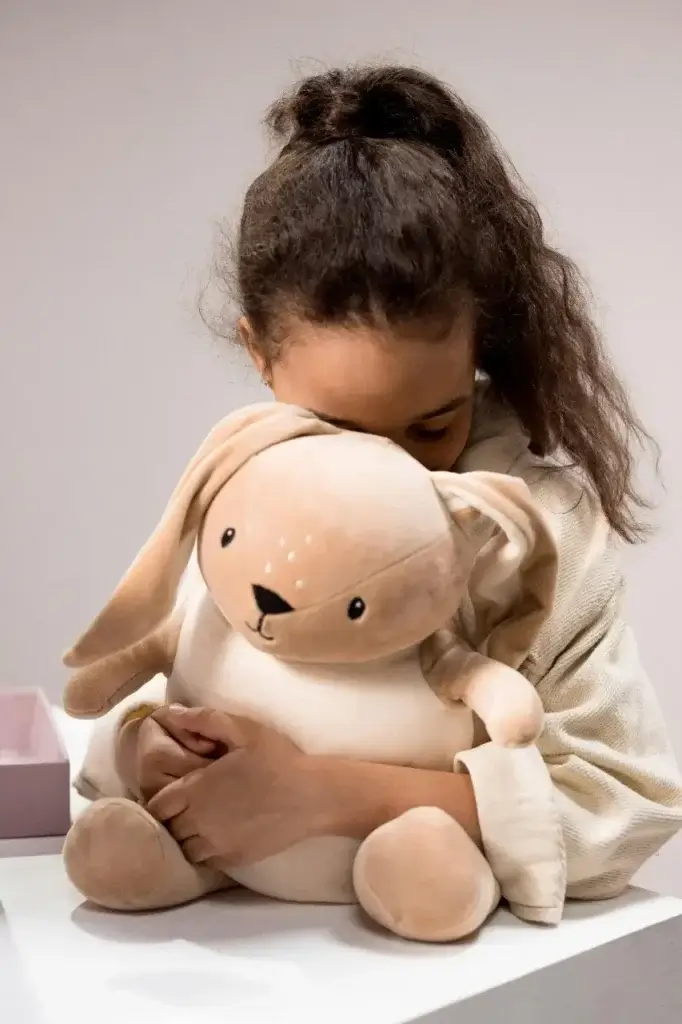
When you relocate abroad with children, you’re not just moving things from one house to the next.
You’re carrying:
- familiarity
- comfort
- emotional anchors
- the small details that help everyone feel grounded
In the first weeks after your move, those small things matter more than many families expect.
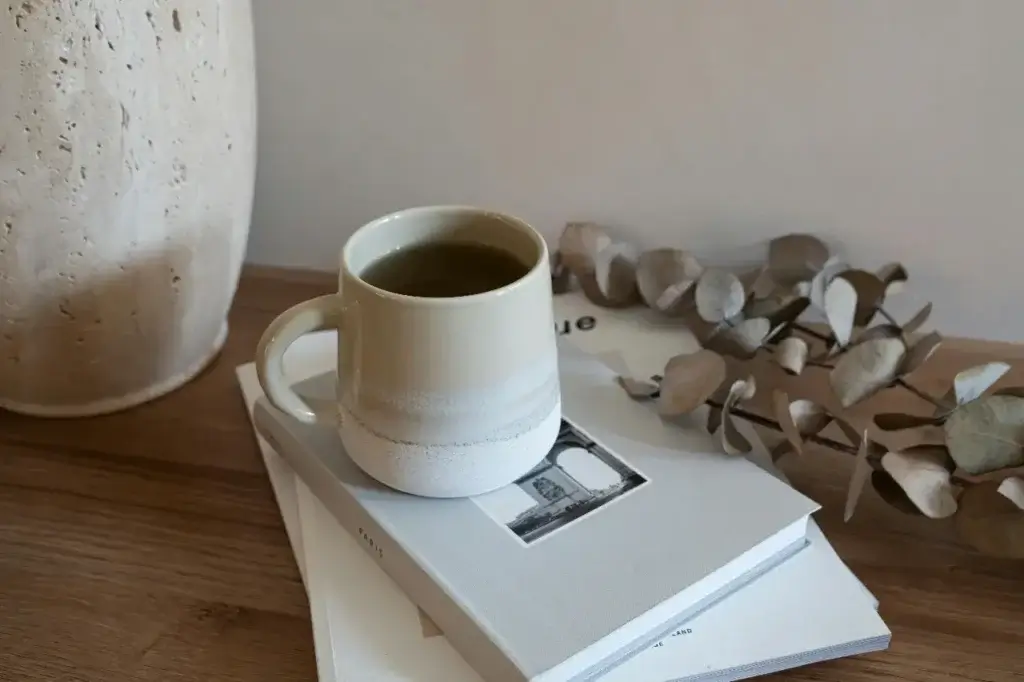
The moment the boxes arrived and I found my favourite ceramic mug, a gift from one of my closest and oldest friends, I an indescribable thrill. Even now, that mug brings me so much comfort when I’m having a bout of homesickness.
We all need a few items that bring comfort, even when everything feels new and scary.
There’s also the practical reality many families underestimate: replacing forgotten items abroad can be expensive, time-consuming, or unexpectedly difficult.
Brands differ. Availability varies. Systems work differently.
But beyond cost and convenience, there’s an emotional layer too.
Children don’t always react to big changes right away. Often, it’s the absence of something small and familiar that brings the transition into sharp focus. Packing with intention helps soften the landing for all of you.
Before you move on, pause for a moment:
What one item from home would help your family feel more settled in the first week?
Make a note. That’s your starting point.
Essential Documents to Keep With You (Not in Shipping)
No matter where you’re moving, some items should never be packed away in shipped boxes.

Keep these documents in your hand luggage or a dedicated travel folder:
- Passports for all family members
- Visas or residence permits (if already issued)
- Birth certificates
- Marriage or partnership certificates
- Medical and vaccination records
- School reports and transcripts
- Academic certificates and professional qualifications
- Travel and health insurance confirmations
- Driver’s licences and international permits (if applicable)
- Employment contracts or relocation paperwork.
Practical tip:
Create both physical copies and encrypted digital backups stored securely online.
Clothing: Packing for an Unfamiliar Climate
One of the trickiest parts of my international move was packing for the Winter. Coming from Australia, I’d never experienced a Northern Hemisphere Winter.

Even though I’d researched the climate (and my husband is German!), my experience of the seasons was very different to my expectations.
This can be true of seasons, temperatures and humidity. If you’re not yet accustomed to the climate, packing for it is hard.
Rather than packing for extremes, focus on flexibility.
Core clothing principles
- Prioritise layers
- Choose items that mix easily
- Pack for comfort, not aesthetics alone
Reliable essentials for most destinations
- Weatherproof outer layers (rain jackets, waterproof shoes)
- Lightweight sweaters or pullovers
- Comfortable walking shoes
- Sleepwear suited to temperature changes
- Indoor footwear or slippers (common in many cultures)
Once the basics are covered, pack the clothes that make you feel like yourself.
The ones you reach for automatically.
The ones that fit well and require little mental energy.
Your confidence matters during transition too.
For children
Pack familiar, well-loved outfits.
Even if they’re not perfectly suited to the new climate long-term, even if they’re impractical.
Familiarity often matters more than practicality in the early weeks.
Work, School, and Daily Life Clothing
Workplace expectations vary widely by country and industry, but many international families are surprised by how practical daily dress tends to be.
Before packing extensively:
- clarify workplace norms where possible
- prioritise versatile, comfortable items
- avoid overpacking “just in case” pieces
For children, school clothing usually requires:
- comfortable everyday wear
- weather-appropriate outdoor layers
- spare items for changing or accidents
Uniforms are the exception rather than the rule in many countries.
Expectations around outdoor play, walking, and independence though, can be higher than families anticipate.
The Things Families Most Often Wish They’d Packed
Every family is different, but certain items come up again and again in conversations with parents after a move.
These are the things that tend to support emotional regulation and daily ease in the early weeks:
- Comfort items for children (soft toys, books, blankets)
- A pram, stroller, or baby carrier if age-appropriate
- A small family medicine kit with trusted basics
- Prescription medications for the first few weeks
- School or learning supplies your children already use
- Essential digital devices and chargers
💡 Helpful idea:
Let children pack a small “arrival bag” with items they choose themselves. This sense of agency can make a meaningful difference during transition.
Household Items Worth Bringing From Home
While minimalism is often encouraged when moving abroad, some household items are worth prioritising, particularly if you’re sensitive to quality, comfort, or familiarity.
Common examples include:
- Favourite spices or pantry basics
- Pillows or bedding that support good sleep
- Power adapters and voltage converters
- Small appliances with personal value
- Kitchen tools you rely on daily
Large appliances and furniture are often better sourced locally, once you understand space, compatibility, and lifestyle norms.
Your First-Week Transition Kit
No matter how organised you are, international moves rarely go exactly to plan.
Luggage can be delayed. Shipments can arrive late. Temporary accommodation can feel disorienting.
A dedicated transition kit ensures your family has what it needs even if everything else is delayed.
Don’t forget to include:
- Several days of clothing for each family member
- Basic toiletries
- Bedtime essentials
- Chargers and adapters
- Important documents and valuables
Ask yourself:
- What would be hardest to replace quickly?
- What helps us function when tired and overwhelmed?
Start there.
What Not to Pack When Moving Abroad
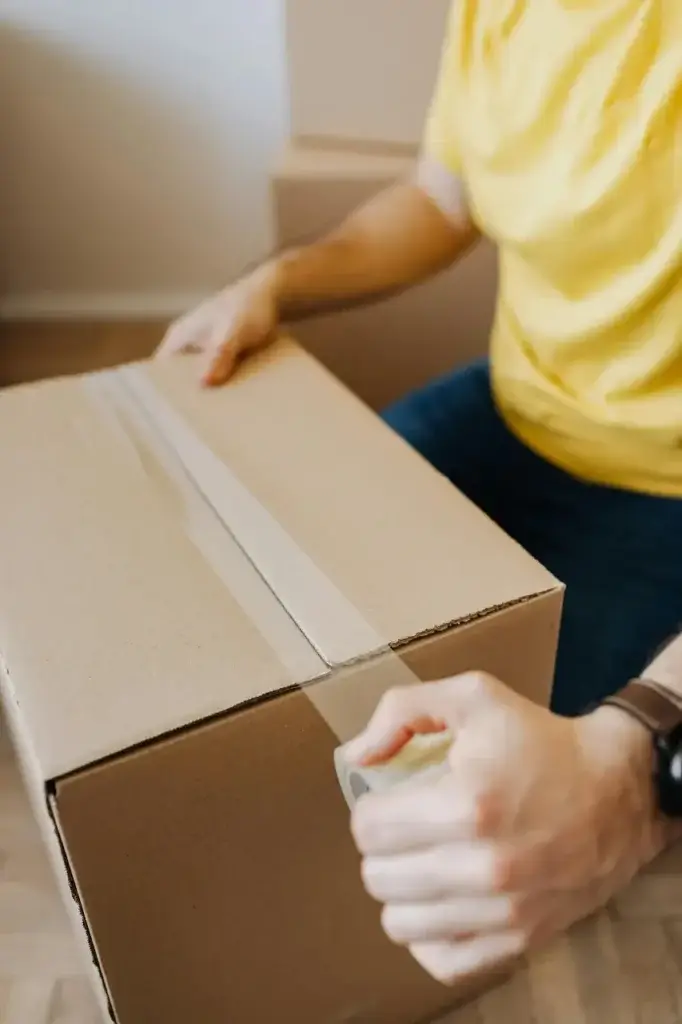
Just as important as what you bring is what you leave behind.
In most cases, it’s best to avoid packing:
- bulky, low-value furniture
- rarely used medications
- food items restricted by customs
- clothing for future seasons (especially for children, they grow so fast!)
In many countries, secondhand markets and local buying options are far more accessible than families expect.
Less really is more during international transitions.
Final Packing Advice for Families
It’s not easy and it can be overwhelming. As Mothers, we want to get everything right. We want to do the best and be the best for our kids.
Here are my last tips to get you started and take away any of that sneaky overwhelm that always finds it’s way into our major life decisions:
- Start earlier than you think you need to
- Be selective, not sentimental
- Label clearly and specifically
- Involve your children where possible
- Pace yourself — packing is demanding
Most importantly: remember that packing is just one part of the transition.
We’re not aiming for perfection. Good enough will do.
You Don’t Have to Figure This Out Alone
Moving abroad as a family reshapes routines, identities, and expectations, not just addresses.
If you’d like structured support through the emotional and practical side of relocation, my work focuses on helping professional mothers navigate this transition with clarity and steadiness.
Download the Expat Starter Kit to support your first months abroad
You’re doing something brave for your family.
Take it one step at a time.