
Updated by Tara on 26 January 2026
If you’re moving abroad with children, packing is never just about fitting things into suitcases.
And if Germany is your destination, there are a few additional layers to consider.
German systems are structured, paperwork-heavy, and often less flexible than families expect. Housing looks different. Seasons behave differently. Even everyday items, from bedding to medicine, don’t always work the way you’re used to.
As a relocation coach supporting professional mothers moving to Germany with their families, I’ve seen how thoughtful, Germany-aware packing can significantly ease the first months here. I remember the daunting task of packing up a family life. Standing in our home, surrounded by boxes, I realised that this was less about what I needed to take and more about what I was ready to leave behind.
This guide is designed to sit alongside a broader international packing framework. If you haven’t already, start with The Ultimate Packing Guide for Families Moving Abroad. Here I build on that foundation by focusing specifically on what typically surprises families once they arrive in Germany.
Why Packing for Germany Requires Extra Thought
Germany is bureaucracy-heavy, loaded with the expectation that you know what you ned to do. This can make the first months of settling in tricky, especially if you don’t have everything that you need from day 1.
From registering your address to enrolling children in school, many systems rely on original documents, in-person appointments, and clear proof of identity and status. That means what you pack, and where you pack it, matters.
There’s also the emotional side.
While you’re finding your feet, you new home in Germany may feel restrictive and impersonal at first. Small familiar items often become anchors while families adjust to new routines, a new language, and a more structured daily rhythm.

Must-Have Documents to Keep in Hand Luggage
Germany relies heavily on original paperwork. Digital copies are a helpful backup, but they are rarely sufficient on their own.
Keep the following original documents in your hand luggage:
- Passports
- Residence permits (if already issued)
- Birth certificates for all family members
- Marriage certificate
- Vaccination and medical records
- School records and report cards
- High school certificates and university diplomas
- Proof of German health insurance
- Employment contracts
- Driver’s licence and international driving permit
You will be asked for these documents repeatedly — often months after arrival. A clearly organised folder will save time and stress.
➡️ You’ll find a step-by-step explanation of how these documents are used in daily German bureaucracy and how to prepare yourself for all appointments in my guide Conquering German Bureaucracy.
Clothing for Life in Germany (Not Just the Weather)
Germany has four very distinct seasons. Family life continues outside during each season (yes, even when it’s really cold and dark!).
This surprises a lot of families, especially those arriving from warmer or more temperate climates.
Trust me. I spent most of the first Winter cold and sure that my little girl was also freezing. I had no idea how to dress to be outside in minus temperatures. My thinking was: stay inside.
Germany-specific clothing essentials
- Waterproof jackets and rain pants (used year-round)
- Solid walking shoes for cobblestones and public transport
- Thermal layers (not just for winter)
- Indoor shoes or slippers (almost mandatory in schools, Kindergartens and homes)
If you’re arriving without experience of cold winters, buy heavy winter gear after you get here. The quality here is designed for European Winters. And yes, you will notice the difference.
If cost is a problem, know that there’s a strong second-hand market in Germany and lots of high-quality winter gear can be purchased at a fraction of the cost.
School and Kindergarten Reality in Germany
German schools rarely have uniforms, but they do expect:
- age-appropriate independence
- outdoor play in all weather
- practical clothing
Pack:
- comfortable everyday clothes
- weatherproof outdoor gear
- spare layers for long days
- Slippers to be worn inside.
Children are expected to go outside, often even in rain and cold. Having appropriate clothing from the start saves you and your child a lot of stress and confusion.
Things You’ll Regret NOT Packing
In the first weeks in your new home, your family probably won’t miss the big things.
More likely, you’ll miss the quiet, familiar items that you took completely for granted before relocating.
Think:
- comfort objects for children
- trusted medicines
- preferred baby gear
- school supplies your child already uses
We opted to leave my daughter’s nightlight behind, knowing there was a new one waiting for us in Germany. During her first attempt at sleeping in her new room, she immediately asked, “Where’s my light?”. It broke my heart and proved the importance of these comfort items in our family.
Some medications available over the counter elsewhere require prescriptions in Germany. Bring enough for the first week to avoid unnecessary doctor visits during an already intense period.
Household Items That Are Tricky to Find in Germany
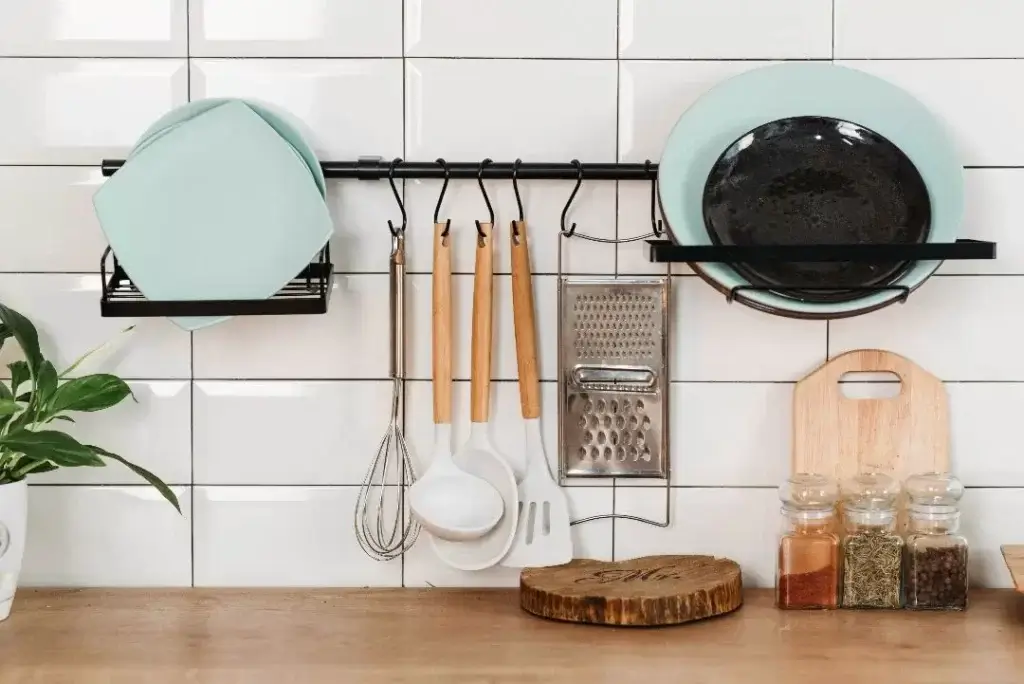
Families freshly arrived in Germany are often surprised by:
- German bedding styles
- pillow sizes and softness
- kitchen measurement systems
- limited availability of certain pantry items
If you’re particular about sleep, cooking, or daily routines, bring:
- your preferred pillow and blankets
- essential kitchen tools (measuring cups in your preferred measurements)
- starter pantry items (brown sugar and self-raising flour are two examples that I can’t easily access here!)
Avoid large appliances and furniture. German apartments are often smaller, and power outlets may be an issue.
Your First Week in Germany: Survival Packing
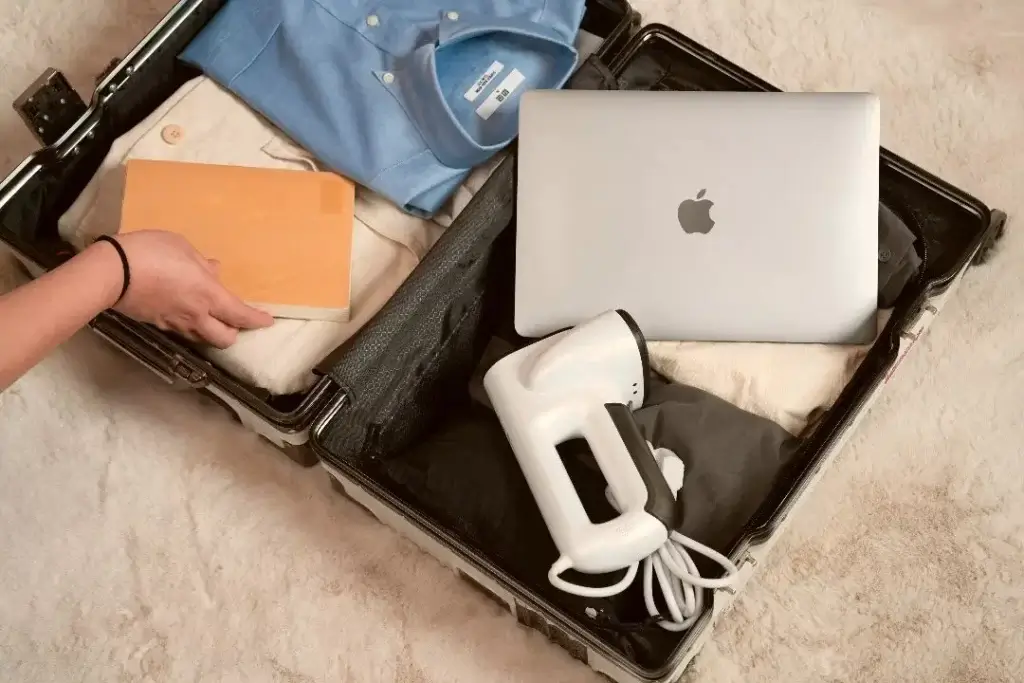
If you’re shipping items, be sure to pack these in a suitcase and bring them with you for your first week in Germany.
Include:
- several days of clothing
- toiletries
- bedtime items
- chargers and adapters
- documents
Ask yourself:
If everything else was delayed, what would help us function in Germany during week one?
That’s what goes in this kit.
Why? Avoiding unnecessary trips to the supermarkets and clothing stores offers you more time and space to overcome jetlag and slowly step into your new life in Germany.
What NOT to Bring to Germany
ILess is more when moving abroad.
Focus on essentials and items that will support a smooth transition for you and your family.
Here are my tips on what not to pack for your new chapter in Germany:
- Bulky or cheap furniture
- Over-the-counter medicines you rarely use
- Food that may not be allowed through customs
- Out-of-season children’s clothing
Germany has a strong secondhand market and affordable children’s clothing options once you’re settled.
Final Packing Advice for Families Moving to Germany
Start earlier than you think.
Be selective, not sentimental.
Label everything clearly. This helps you and the German system more accurately process everything.
And don’t forget to involve your children where possible.
But most importantly: give yourself permission not to get this perfect.
If you’re preparing for an international move and want a broader framework first, start with The Ultimate Packing Guide for Families Moving Abroad.
If Germany is your destination, this guide will help you avoid the most common and unnecessary stress points families encounter after arrival.
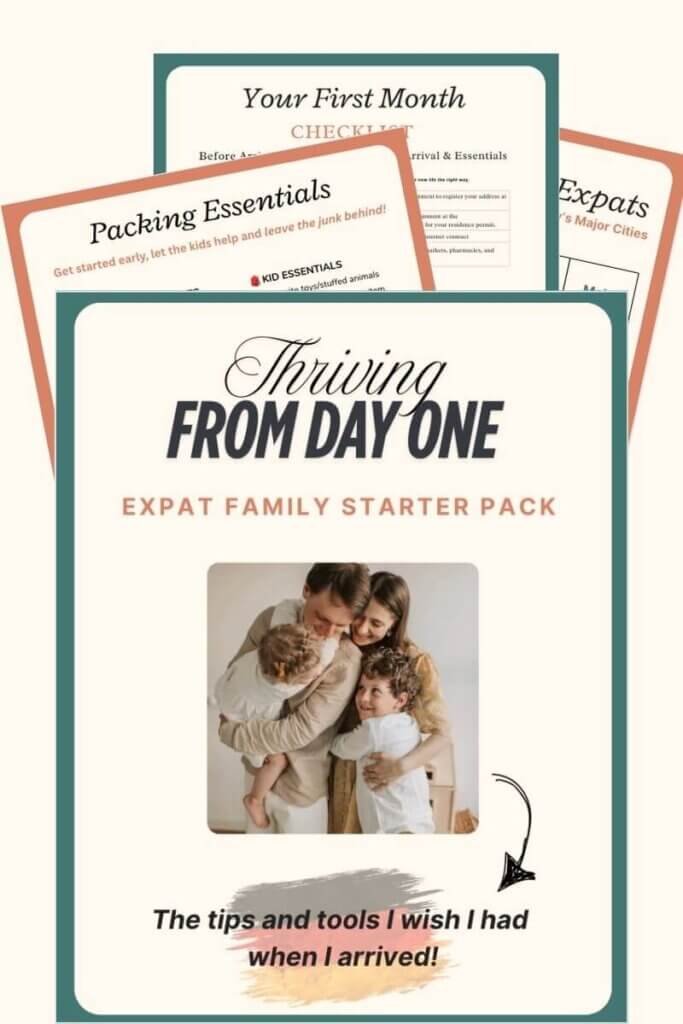
➡️ Download my free Thriving from Day One: Expat Family Starter Pack for Germany, including your FREE printable packing checklist, to make this process even smoother.
➡️ Download the Expat Starter Kit for emotional and practical transition support.